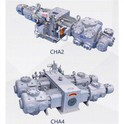
Troubleshooting natural gas booster technology problems is a critical aspect of ensuring the efficient and safe operation of natural gas systems. As a leading supplier of Natural Gas Booster Technology, I have encountered a wide range of issues over the years and have developed effective strategies to address them. In this blog, I will share some of the common problems faced with natural gas boosters and how to troubleshoot them.
Understanding the Basics of Natural Gas Boosters
Before delving into troubleshooting, it's essential to understand what natural gas boosters are and how they work. Natural gas boosters are devices used to increase the pressure of natural gas, which is often necessary for transportation, storage, or use in various industrial processes. They typically consist of a compressor, a motor, and a control system. The compressor is responsible for compressing the gas, the motor provides the power to drive the compressor, and the control system regulates the operation of the booster.
Common Problems and Troubleshooting Steps
1. Low Pressure Output
One of the most common problems with natural gas boosters is a low pressure output. This can be caused by several factors, including:
- Leakage: Check for any visible signs of leakage in the booster system, such as gas odors, hissing sounds, or wet spots. Leaks can occur in pipes, fittings, valves, or the compressor itself. If a leak is detected, it should be repaired immediately. Use a gas leak detector to locate the source of the leak. Once the leak is found, tighten loose fittings or replace damaged components.
- Clogged Filters: Filters in the booster system can become clogged with dirt, debris, or other contaminants over time. This can restrict the flow of gas and reduce the pressure output. Check the filters regularly and replace them if they are dirty or clogged. Refer to the manufacturer's instructions for the recommended filter replacement schedule.
- Worn Compressor Components: The compressor is the heart of the natural gas booster. Over time, the compressor components, such as pistons, valves, and seals, can wear out. This can lead to reduced compression efficiency and lower pressure output. Inspect the compressor components for signs of wear and tear. If any components are worn, they should be replaced. It is advisable to use genuine manufacturer parts for replacement to ensure compatibility and performance.
- Inadequate Motor Power: If the motor does not have enough power to drive the compressor, the pressure output will be low. Check the motor specifications to ensure it is rated for the required power. Also, check the electrical connections to the motor to ensure they are secure and there are no loose wires or blown fuses. If the motor is underpowered, consider upgrading to a more powerful motor.
2. High Temperature
Another common issue is high temperature in the booster system. High temperatures can cause damage to components, reduce efficiency, and pose a safety risk. The following are some possible causes and solutions:
- Lack of Lubrication: Proper lubrication is essential for the smooth operation of the compressor. If the compressor is not adequately lubricated, friction between moving parts can generate excessive heat. Check the lubricant level regularly and top it up if necessary. Use the recommended lubricant specified by the manufacturer.
- Poor Ventilation: The booster system requires proper ventilation to dissipate heat. If the ventilation is blocked or insufficient, the temperature can rise rapidly. Ensure that the booster is installed in a well - ventilated area. Check for any obstructions around the booster, such as boxes or equipment, and remove them.
- Overloading: Running the booster at a higher capacity than it is designed for can cause overheating. Check the operating conditions and ensure that the booster is not being overloaded. If necessary, reduce the gas flow rate or pressure to within the rated capacity of the booster.
3. Unusual Noises
Unusual noises coming from the natural gas booster can indicate a problem. Some common causes of strange noises are:
- Loose Components: Loose bolts, nuts, or other components can vibrate and produce rattling or banging noises. Inspect the booster for loose parts and tighten them. Use a torque wrench to ensure proper tightening according to the manufacturer's specifications.
- Worn Bearings: Bearings in the motor or compressor can wear out over time, causing a grinding or whining noise. If a worn bearing is suspected, it should be replaced as soon as possible to prevent further damage to the equipment.
- Foreign Objects: Foreign objects, such as tools or debris, may have accidentally fallen into the booster system. These objects can cause noise and damage to the components. Inspect the system carefully and remove any foreign objects.
4. Control System Malfunctions
The control system of the natural gas booster is responsible for regulating the operation of the booster, including starting, stopping, and adjusting the pressure. Malfunctions in the control system can lead to erratic operation or even system shutdown.
- Faulty Sensors: Sensors in the control system, such as pressure sensors or temperature sensors, can malfunction. This can cause incorrect readings and improper control of the booster. Check the sensors for proper operation using a multimeter or other testing equipment. If a sensor is faulty, it should be replaced.
- Programming Errors: The control system may have programming errors or incorrect settings. Check the programming of the control system and ensure that it is set correctly according to the operating requirements. Refer to the user manual for programming instructions.
- Electrical Issues: Electrical problems, such as loose connections, short circuits, or damaged wiring, can affect the control system. Inspect the electrical connections and wiring for any signs of damage. Repair or replace any damaged components.
Importance of Regular Maintenance
Regular maintenance is crucial for preventing natural gas booster technology problems. A well - maintained booster system is less likely to experience breakdowns and will operate more efficiently. Here are some maintenance tasks that should be performed regularly:
- Inspections: Conduct regular visual inspections of the booster system to check for any signs of damage, wear, or leakage. Inspect pipes, fittings, valves, the compressor, and the control system.
- Lubrication and Fluid Checks: Check and change the lubricant in the compressor at the recommended intervals. Also, check other fluids, such as coolant if applicable, and top them up or replace them as needed.
- Filter Replacements: Replace filters regularly to ensure proper gas flow and prevent clogging.
- Calibration: Calibrate sensors and control systems periodically to ensure accurate readings and proper operation.
Seeking Professional Help
In some cases, troubleshooting natural gas booster technology problems may require the expertise of a professional. If you are unable to diagnose or fix a problem on your own, it is advisable to contact a qualified technician. Professional technicians have the knowledge, experience, and specialized tools to handle complex problems. They can also provide preventive maintenance services to keep your booster system in optimal condition.
As a supplier of Natural Gas Booster Technology, we offer a range of Technical Services for Supercharged Gas Production to assist our customers in troubleshooting and maintaining their booster systems. Our team of experts is available to provide on - site support, remote monitoring, and technical advice.
We also provide Associated Gas Gathering and Electric Power Services to help our customers optimize their natural gas systems. These services include gas gathering, power generation, and system integration.
If you are experiencing problems with your natural gas booster technology or are interested in our products and services, we encourage you to contact us for procurement and further discussions. Our team is ready to assist you in finding the best solutions for your natural gas system needs.


Conclusion
Troubleshooting natural gas booster technology problems requires a systematic approach. By understanding the common problems, their causes, and the appropriate troubleshooting steps, you can ensure the efficient and safe operation of your natural gas booster system. Regular maintenance is key to preventing problems and extending the lifespan of the equipment. When in doubt, don't hesitate to seek professional help.
References
- Manufacturer's manuals for natural gas booster systems
- Industry standards and guidelines for natural gas equipment maintenance and troubleshooting