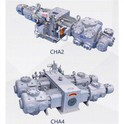
As a provider of Natural Gas Compression Systems, I understand the critical role that the electrical system plays in ensuring the efficient, safe, and reliable operation of these systems. In this blog post, I will delve into the key requirements for the electrical system of a natural gas compression system, drawing on our expertise and experience in the industry.
Power Supply
The first and foremost requirement for the electrical system of a natural gas compression system is a stable and reliable power supply. Natural gas compressors are typically high - power equipment, and any interruption in the power supply can lead to system shutdown, which may result in production losses and potential safety hazards.
A reliable power source can be either from the grid or an on - site generator. When connecting to the grid, it is essential to ensure that the grid capacity is sufficient to meet the power demand of the compression system. Power quality is also crucial, including factors such as voltage stability, frequency stability, and low harmonic distortion. Voltage fluctuations can damage electrical components in the compressor, while high harmonic content can cause overheating and interference in the electrical system.
In cases where grid power is unreliable or unavailable, on - site generators can be used. These generators need to be properly sized to handle the peak power requirements of the compression system. Regular maintenance and testing of generators are necessary to ensure their readiness in case of power outages. For example, our Movable Supercharged Gas Production And Water - drained Gas Recovery Unit is designed to operate with different power sources, providing flexibility for various operating environments.
Electrical Protection
Electrical protection is a vital aspect of the electrical system in a natural gas compression system. Overcurrent protection devices, such as circuit breakers and fuses, are used to prevent damage to electrical equipment due to excessive current. These devices are designed to trip or blow when the current exceeds a pre - set limit, thereby protecting the wiring, motors, and other electrical components from overheating and short - circuits.
Overvoltage protection is also necessary to safeguard the electrical system from voltage spikes caused by lightning strikes, grid switching, or other transient events. Surge arresters are commonly used to divert excessive voltage to the ground, protecting sensitive electronic components in the compressor control system.
In addition, ground fault protection is crucial for safety. A proper grounding system ensures that any electrical faults are safely conducted to the ground, reducing the risk of electric shock to personnel and preventing damage to equipment. All electrical enclosures, motors, and control panels in the compression system should be properly grounded.
Motor Control
Motors are the heart of a natural gas compression system, driving the compressors to increase the pressure of the natural gas. The motor control system needs to be carefully designed to ensure smooth starting, efficient operation, and precise speed control.


Soft starters or variable frequency drives (VFDs) are often used to control the starting and speed of the motors. Soft starters gradually increase the voltage applied to the motor during startup, reducing the inrush current and mechanical stress on the motor and the compressor. VFDs, on the other hand, can vary the frequency and voltage supplied to the motor, allowing for precise speed control. This not only improves the energy efficiency of the compression system but also enables better matching of the compressor output to the gas production requirements.
For example, in our Gas Screw Compressor, the motor control system with VFD technology provides excellent speed control and energy savings. The control system can adjust the compressor speed based on the gas flow rate and pressure, ensuring optimal performance under different operating conditions.
Control and Monitoring
The electrical system of a natural gas compression system requires a comprehensive control and monitoring system. This system allows operators to start, stop, and adjust the operation of the compressor, as well as monitor various parameters such as pressure, temperature, flow rate, and motor current.
The control system can be based on programmable logic controllers (PLCs) or distributed control systems (DCSs). These systems provide flexibility in programming and can be easily integrated with other equipment in the gas production process. For example, the control system can be programmed to automatically shut down the compressor in case of abnormal operating conditions, such as high temperature or low lubricant pressure.
Remote monitoring capabilities are also becoming increasingly important. With the advancement of communication technology, operators can monitor and control the compression system from a remote location. This allows for real - time troubleshooting and reduces the need for on - site personnel, especially in remote or hazardous locations.
Hazardous Area Classification
Natural gas compression systems are often installed in hazardous areas where there is a risk of gas leakage and explosion. The electrical system in these areas needs to comply with strict safety standards based on the hazardous area classification.
There are different levels of hazardous areas, classified according to the probability of the presence of a flammable gas - air mixture. Electrical equipment used in these areas must be designed and certified to prevent the ignition of the gas mixture. This includes using explosion - proof enclosures, intrinsically safe circuits, and proper cable sealing.
For example, in our Gas Reciprocating Compressor, all electrical components are carefully selected and installed to meet the requirements of the specific hazardous area classification. This ensures the safety of the equipment and the personnel working in the vicinity.
Wiring and Cabling
Proper wiring and cabling are essential for the reliable operation of the electrical system in a natural gas compression system. The cables need to be sized correctly to handle the electrical current without excessive voltage drop. They should also be protected from mechanical damage, moisture, and chemical exposure.
Cable routing is another important consideration. Cables should be routed away from hot surfaces, moving parts, and areas where they may be subject to physical damage. In addition, proper cable management, such as using cable trays and conduits, helps to organize the wiring and makes it easier for maintenance and troubleshooting.
Maintenance and Testing
Regular maintenance and testing of the electrical system are necessary to ensure its long - term reliability. Maintenance activities include visual inspections of electrical components, checking for loose connections, and cleaning of electrical enclosures. Electrical insulation resistance testing should be performed periodically to detect any insulation degradation in cables and electrical equipment.
Functional testing of the control and protection systems is also crucial. This includes testing the operation of circuit breakers, relays, and control switches to ensure that they function correctly under normal and abnormal conditions. By performing regular maintenance and testing, potential problems can be identified and resolved before they lead to system failures.
Conclusion
In conclusion, the electrical system of a natural gas compression system has several critical requirements, including a stable power supply, proper electrical protection, efficient motor control, comprehensive control and monitoring, compliance with hazardous area classification, proper wiring and cabling, and regular maintenance and testing. As a leading Natural Gas Compression System provider, we are committed to designing and manufacturing systems that meet these requirements, ensuring the safe, efficient, and reliable operation of our products.
If you are in the market for a natural gas compression system and have any questions or need further information about our products and services, we encourage you to contact us for a detailed discussion. Our team of experts is ready to assist you in finding the most suitable solution for your specific needs.
References
- Electrical Safety Standards for Oil and Gas Industry, International Electrotechnical Commission (IEC)
- Compressor Handbook, McGraw - Hill
- Guidelines for Hazardous Area Classification, National Fire Protection Association (NFPA)